Quality Testing Methods for Stainless Steel Seamless Tees
2025-12-01 13:02:40
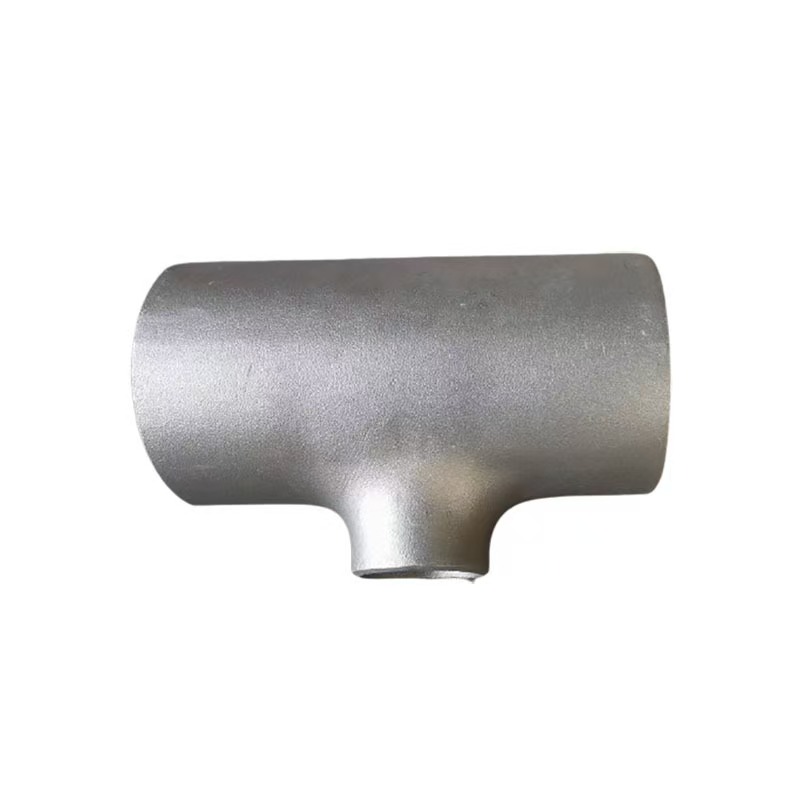
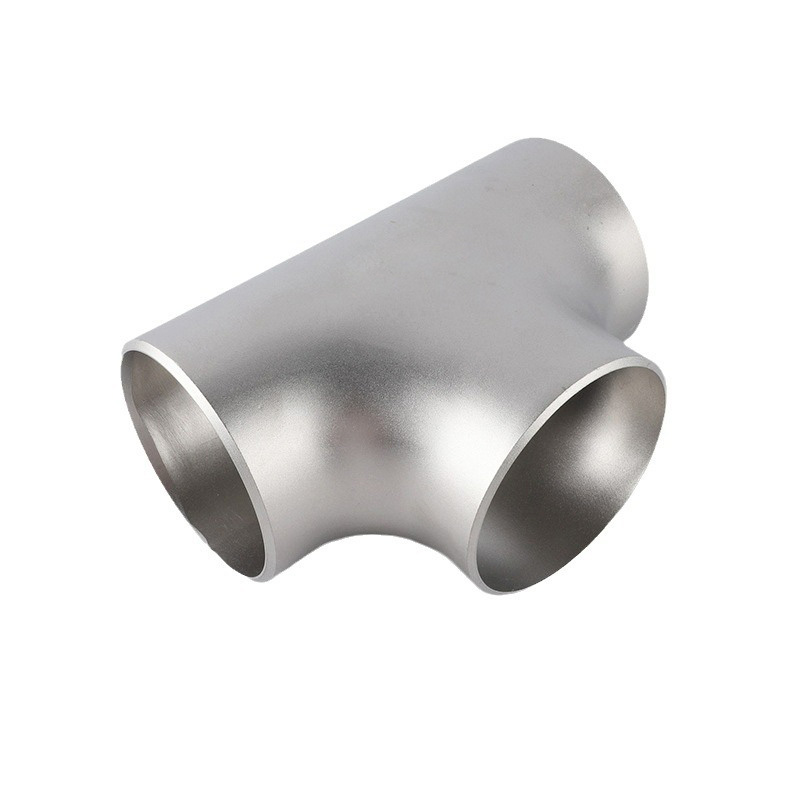
A Stainless Steel Seamless Tee plays a crucial role in modern piping systems where fluid direction, pressure handling, and corrosion protection must remain dependable over years of operation. Because seamless tees are formed from a single solid piece of stainless steel without longitudinal welds, they undergo strict evaluation processes before being approved for service. Whether used in chemical pipelines, high-pressure networks, or sanitary environments, ensuring the integrity of each fitting is essential for safety and performance.
For teams engaged in engineering projects, or for a manufacturer managing large-scale production, understanding the full range of testing techniques provides confidence that every Stainless Steel Seamless Tee will operate as intended.
1. Chemical and Mechanical Verification of Base Material
Chemical Composition Testing
Before any forming process begins, the stainless steel billet or tube stock must be analyzed to confirm elemental consistency. Analytical instruments such as spectrometers verify levels of chromium, nickel, molybdenum, carbon, and other key alloy components. Proper composition is necessary to achieve corrosion resistance and mechanical strength specific to grades such as 304, 316, or duplex stainless steels.
Mechanical Strength Evaluation
Raw material strength is assessed using tensile, elongation, yield, and hardness tests. These measurements help determine whether the stainless steel can withstand shaping during tee fabrication and later, real-world pressure or thermal loads.
2. Dimensional Precision Testing
Every Stainless Steel Seamless Tee must conform to strict dimensional tolerances to ensure proper fit within piping assemblies.
Critical Dimensional Factors Include:
·Branch and run diameters
·Wall thickness consistency
·Center-to-end measurements
·Branch alignment and angle accuracy
Precision gauges, ultrasonic thickness meters, and coordinate measuring systems are used to verify each parameter. Accurate dimensions directly influence flow distribution, sealing performance, and installation simplicity.
3. Visual and Surface Integrity Inspection
A comprehensive surface examination is an early diagnostic step that helps detect irregularities before deeper testing begins.
Inspectors look for:
·Surface discontinuities
·Light cracks or abrasions
·Oxide scale
·Minor depressions or out-of-round areas
·Incomplete forming marks
Even small imperfections on seamless fittings can lead to premature wear, pressure failures, or contamination in sensitive industries, making this step essential.
4. Non-Destructive Testing (NDT) for Internal and External Integrity
NDT allows technicians to examine internal defects while preserving the component.
Ultrasonic Testing (UT)
High-frequency sound waves travel through the tee’s material and reflect from internal anomalies. UT is especially effective for seamless fittings because it can detect deep internal voids or inclusions that visual inspection cannot identify.
Dye Penetrant Testing (PT)
A brightly colored penetrant fluid is applied to the tee’s surface. Once excess dye is removed and developer added, even microscopic surface cracks become visible. This method works well for polished stainless steel surfaces.
Eddy Current Testing (ECT)
Magnetic fields are used to identify surface-level defects or small structural variations. Because stainless steel is conductive, ECT helps reveal flaws such as pits or microfractures.
Hydrostatic Pressure Testing
The tee is filled with water and pressure is raised to a designated level to test its leakage resistance. Hydrostatic testing remains one of the most direct and reliable methods to ensure operational safety.
5. Corrosion Resistance Assessment
Since stainless steel is often used in corrosive or wet environments, corrosion performance testing is critical.
Salt Spray Exposure
The tee is placed in a controlled salt fog chamber to simulate harsh atmospheric conditions. This accelerated test predicts long-term performance in environments where chloride exposure is common.
Intergranular Corrosion (IGC) Tests
These tests evaluate susceptibility to grain boundary attack due to chromium carbide precipitation. Maintaining resistance to IGC ensures that the tee can withstand chemical processing environments without structural degradation.
6. Metallographic and Microstructure Examination
Analyzing the internal metallic structure provides valuable insight into the tee’s long-term behavior.
Microstructure Checks Include:
·Grain uniformity
·Ferrite-to-austenite distribution (for duplex grades)
·Inclusion types and density
·Signs of overheating or improper forming
A stable microstructure ensures that the Stainless Steel Seamless Tee can manage repeated thermal cycles and pressure variations.
7. Pressure Burst and Stress Testing
Where required, a destructive burst test is performed on sample tees from a batch. This exposes the component to extreme internal pressure until failure occurs. Although destructive, this test provides accurate data on safety margins and validates consistency across bulk supply batches.
8. Documentation, Traceability, and Certification
Once all tests are completed, results are compiled into comprehensive test reports. These documents include:
·Heat numbers
·Chemical and mechanical test outcomes
·NDT certifications
·Dimensional verification sheets
For a manufacturer supplying large production volumes, maintaining consistent traceability ensures compliance with international standards and allows users to verify quality through every stage of the supply chain.
Conclusion: Ensuring the Reliability of Every Stainless Steel Seamless Tee
A Stainless Steel Seamless Tee undergoes a broad range of evaluations—from metallurgical analysis to pressure testing—to confirm its readiness for demanding pipeline environments. These testing procedures guarantee that the fitting can resist corrosion, manage pressure fluctuations, and perform reliably over time. Whether used in industrial facilities, high-pressure systems, or specialized fluid networks, properly tested tees provide safe and consistent operation. For teams working with large projects or manufacturers overseeing production-scale output, understanding these testing methods ensures confidence in every fitting installed.
References
GB/T 7714:Duplex stainless steels: microstructure, properties and applications[M]. Elsevier, 1997.
MLA:Gunn, Robert, ed. Duplex stainless steels: microstructure, properties and applications. Elsevier, 1997.
APA:Gunn, R. (Ed.). (1997). Duplex stainless steels: microstructure, properties and applications. Elsevier.
AWeld Neck Flange (WN Flange)is a type of piping flange designed to be welded to a pipe or ...
Socket fittings are essential components in piping systems, designed to connect, branch, or...
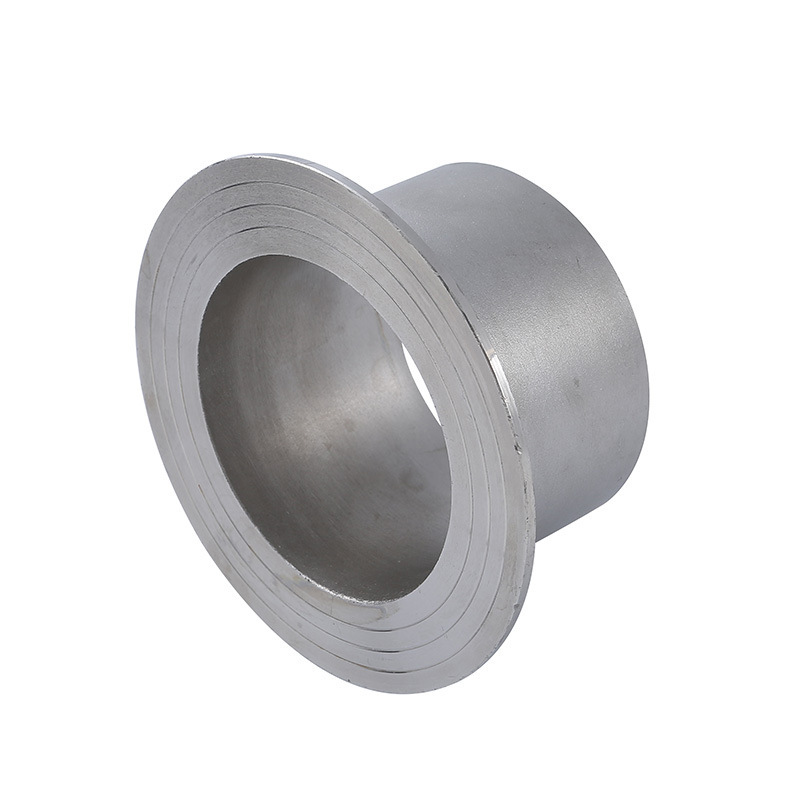
Welding ring is a commonly used metal ring component in pipeline connection or equipment do...
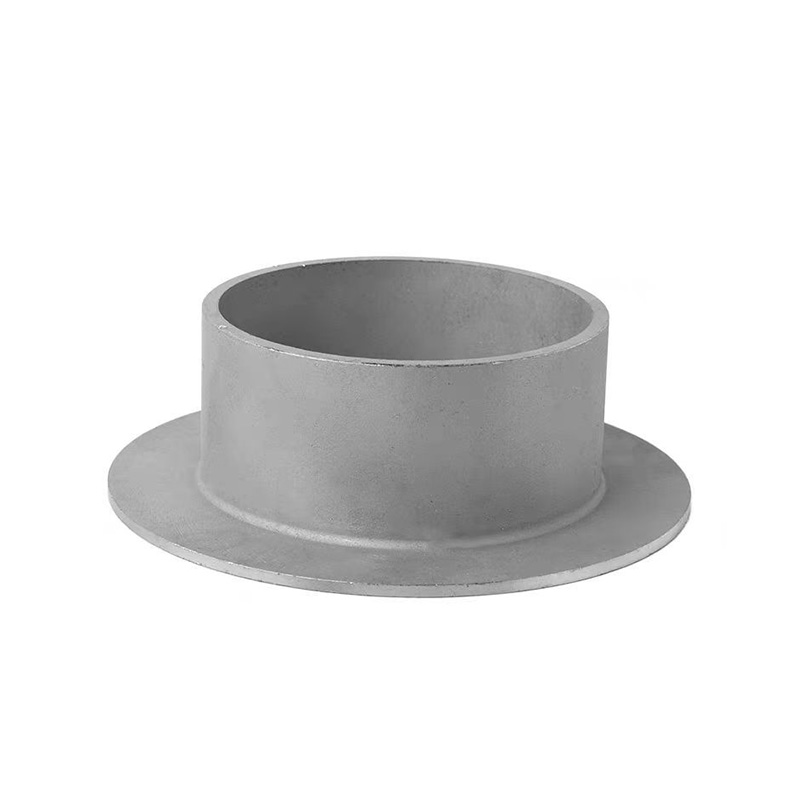
Welding ring is a pipe fitting used for pipeline connection. The following is its detailed ...